8 Essential Tips for Flawless Furniture Assembly During Your DMV Move
Furniture assembly is often the unspoken challenge that follows every move. At All Aboard Moverz, we see how clients struggle with everything from missing screws to upside-down bedframes as they try to make a new space truly feel like home. Whether you’ve just arrived in the DC, Maryland, or Virginia region or are upgrading your current setup, seamless assembly is key to feeling settled quickly. Yet, even the most organized people can underestimate what goes into a safe, efficient, and lasting assembly process.
With the right approach and expert strategies, most common headaches are easily avoided. Instead of dealing with confusing instructions or discovering a bolt is missing at the last minute, you can take simple, practical steps to set yourself up for success. We’re sharing insider tips and trade insights to help you get furniture assembly right the first time—saving time, stress, and potential damage.
In This Article:
- Tip #1: Prep Your Tools and Hardware in Advance
- Tip #2: Carefully Review Instructions and Space Constraints
- Tip #3: Mark, Sort, and Organize Your Materials
- Tip #4: Rely on Teamwork for Heavy or Complex Pieces
- Tip #5: Don’t Rush—Get Fasteners and Alignment Right
- Tip #6: Professional Solutions for Flat-Pack Challenges
- Tip #7: Secure for Stability and Safety
- Tip #8: Perform a Quality and Safety Check
Tip #1: Prep Your Tools and Hardware in Advance
Set yourself up before the first screw is turned. Gather all tools you need, sort the provided hardware, and double-check for missing parts.
- Separate Screws and Bolts: Lay out every fastener by size and label if needed.
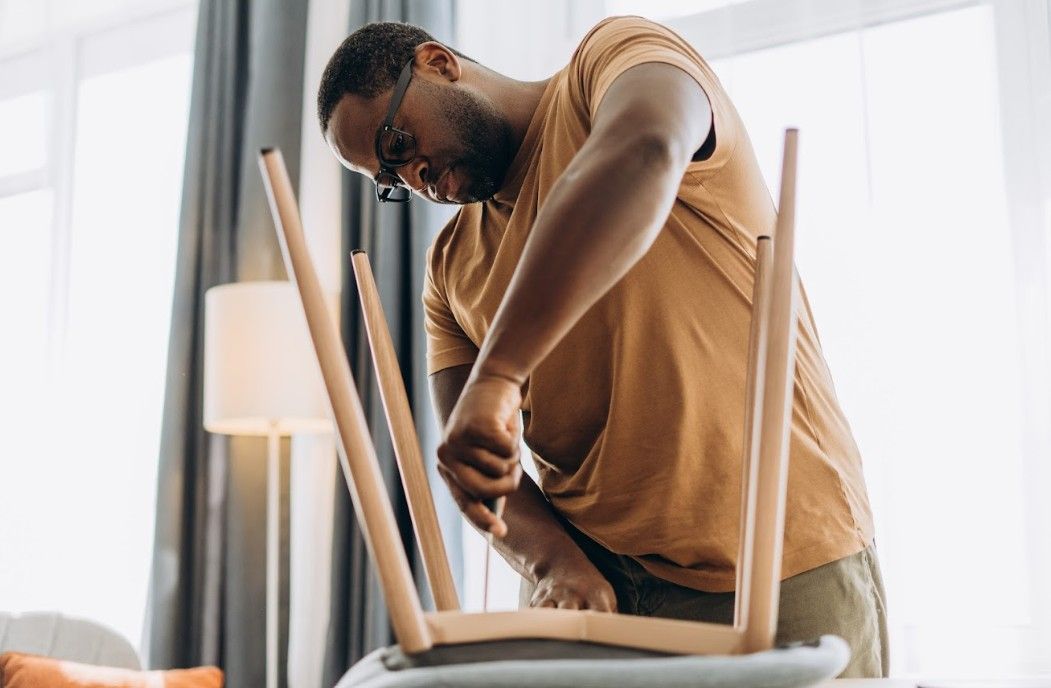
- Essential Tools List: Have a power driver, Allen key set, and a small wrench on hand.
- Pre-Assembly Check: Quickly scan the hardware list to spot anything missing before you begin.
Tip #2: Carefully Review Instructions and Space Constraints
Instructions exist for a reason, and reviewing them in full saves trouble later. Even simple bookcases or desks can have hidden steps.
- Read First, Assemble After: Highlight steps that look confusing before picking up any parts.
- Measure Room Space: Make sure there’s ample space to work and move around each piece.
- Note Special Cautions: Separate parts for pieces requiring wall anchors or extra support.
Tip #3: Mark, Sort, and Organize Your Materials
Disorganized parts lead to time loss and reassembly work. Keeping things sorted is a trade habit that never goes out of style.
- Bag and Label Small Parts: Use sandwich bags and sticky notes or painter’s tape.
- Group by Assembly Stage: Place hardware and panels for each section together.
- Cross-Check Labels: Match every piece with the instructions before assembly takes off.
Tip #4: Rely on Teamwork for Heavy or Complex Pieces
Lifting and assembling larger furniture safely is rarely a one-person job.
- Call for Help: Many jobs, like bunk beds or wardrobes, require at least two people.
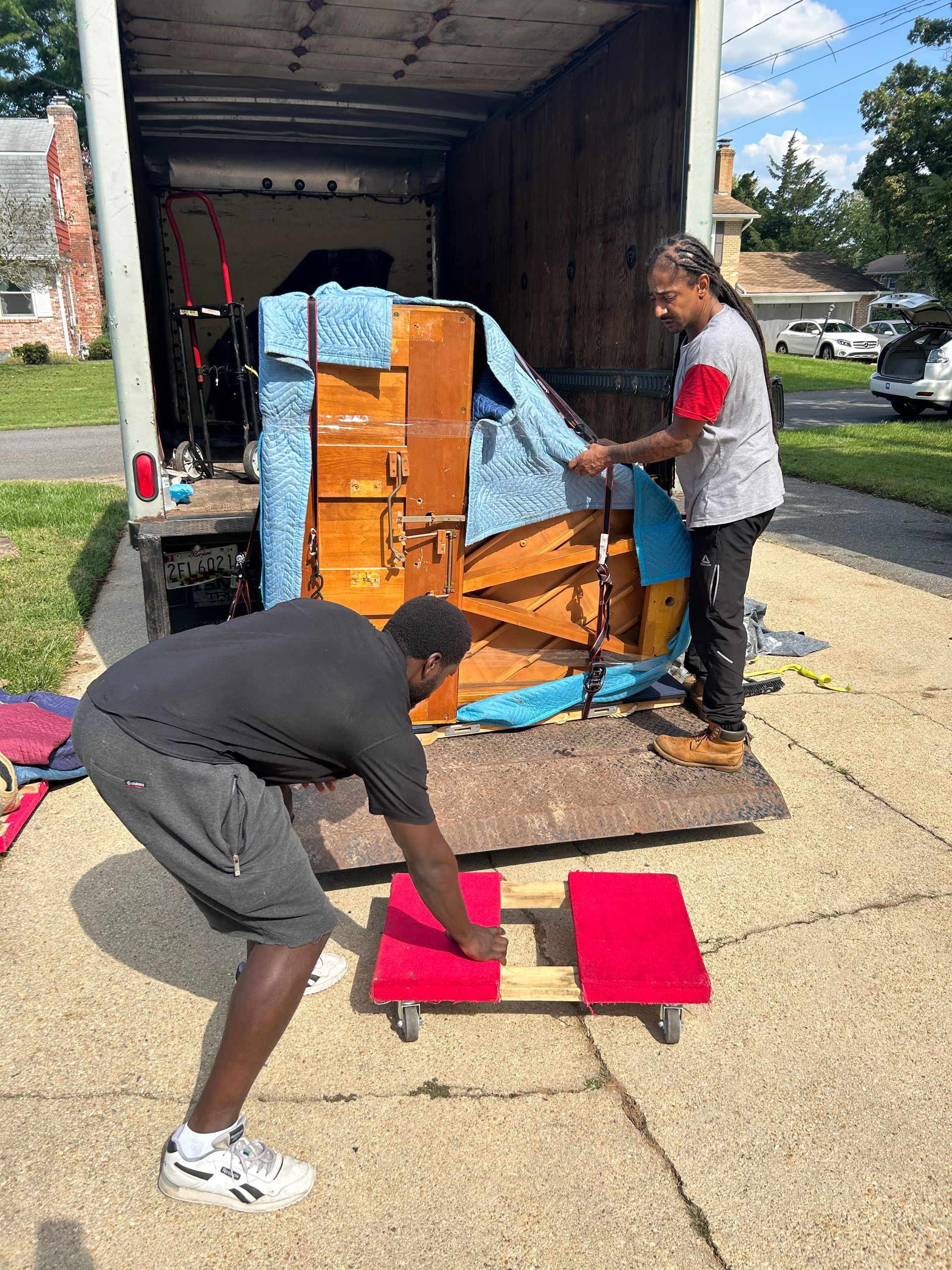
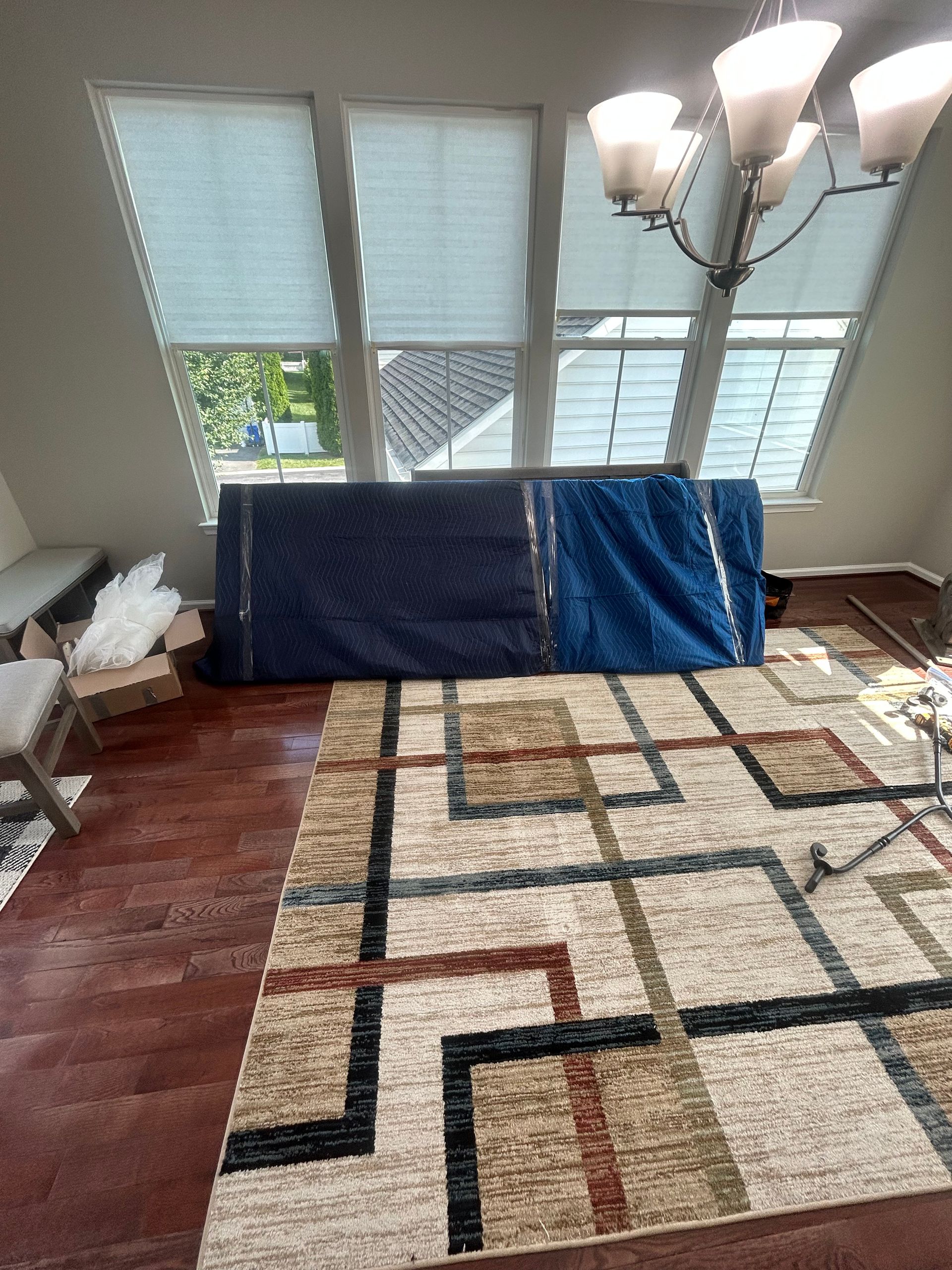
- Use Moving Pads: Prevent floor scratches or panel chipping by working over soft material.
- Plan Movement: Know which doorway or hallway the piece will travel through before final assembly.
Tip #5: Don’t Rush—Get Fasteners and Alignment Right
One of the most common mistakes is over-tightening fasteners too soon, leading to misalignment or broken particleboard.
- Start all Screws Loosely: Only fully tighten them after confirming all parts line up.
- Double-Check Alignment: Use a small level on critical joints like headboards and shelving.
- Follow a Steady Order: Move step by step—don’t jump ahead even if it looks obvious.
Tip #6: Professional Solutions for Flat-Pack Challenges
Some furniture brands present unique challenges that professionals solve routinely.
- Corner Protection: Reinforce corners with extra brackets if the piece will see heavy use.
- Drill Pilot Holes: For solid wood, drill starter holes to prevent splitting.
- Manufacturer Support: Many brands offer online videos and Q&A for tricky assembly steps.
Tip #7: Secure for Stability and Safety
Securing furniture is especially important if you have pets or kids in the home.
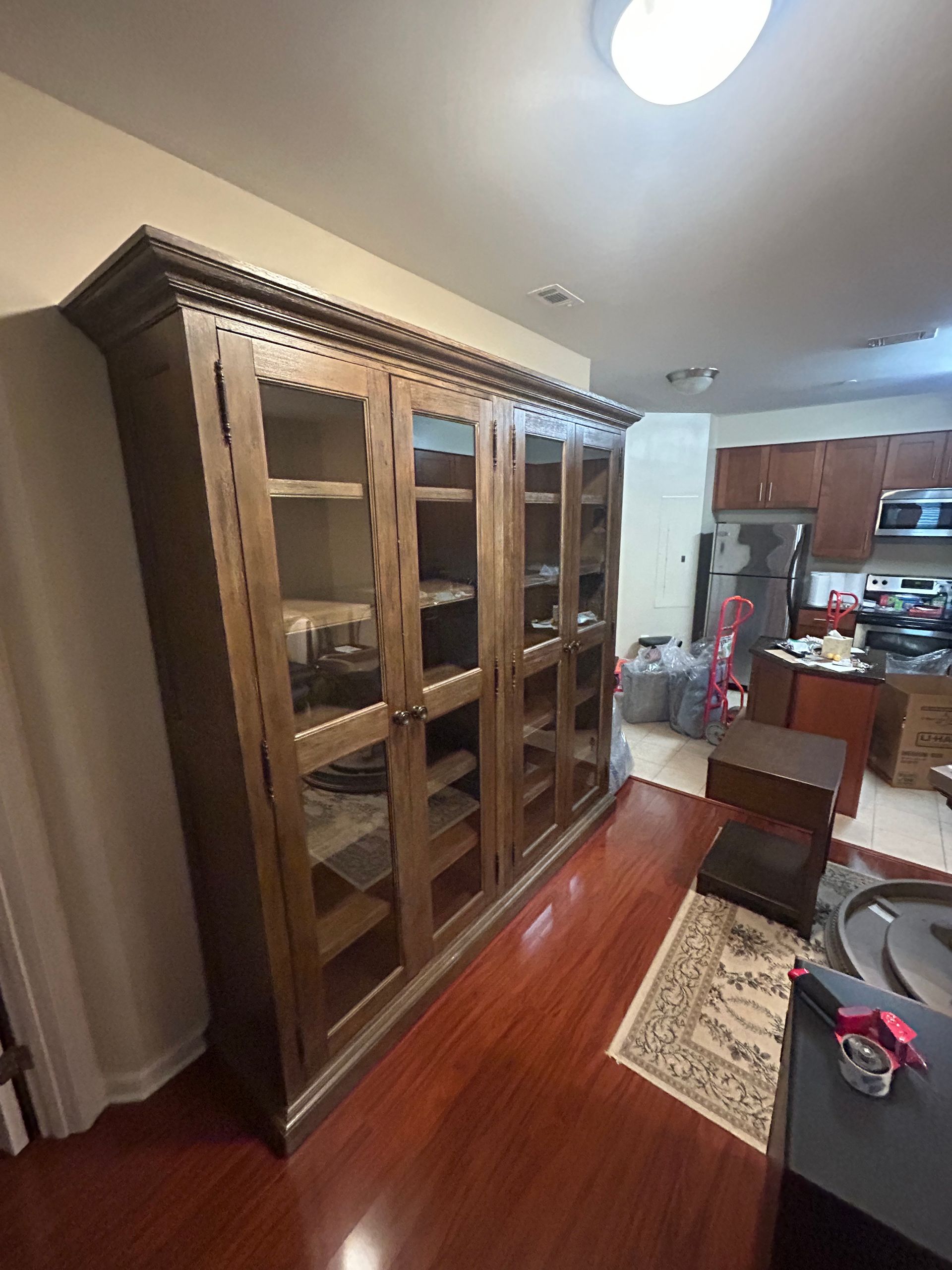
- Use Wall Anchors: Dressers and bookshelves are much safer when anchored.
- Adjust for Uneven Floors: Use shims or leveling feet provided in the kit.
- Test Moving Parts: Open and close drawers or doors repeatedly to check smooth function.
Tip #8: Perform a Quality and Safety Check
A final pass catches issues that can cause long-term trouble if ignored.
- Walk Through All Connections: Look for loose bolts or unfinished edges.
- Safety Test: Gently rock larger pieces to ensure they are stable.
- Quick Clean-Up: Collect leftover hardware and tools before moving on.
Frequently Asked Questions
What is the most common reason assemblies go wrong during a move?
Most problems stem from rushing or missing a step. A patient and ordered approach minimizes errors and keeps everything secure, especially when working with unfamiliar assembly hardware.
Why do professionals recommend a team for larger pieces?
Large items like wardrobes, bunk beds, or sectionals not only need extra hands for lifting but also extra eyes on alignment and fit. Trade crews use communication and coordination to keep the process safe and prevent accidental damage to walls or flooring.
How does using expert assembly services save time on move-in day?
Professionals bring the right tools and experience for fast, organized setups, allowing you to avoid “do-over” work and jump straight into enjoying your new space.
Make Your Next Move-In Effortless
Investing a bit of care into your furniture assembly means your new space is ready, functional, and comfortable from day one. With professional tools, good teamwork, and proven steps, the job gets done right and less time is wasted on repairs or adjustments. If hassle-free setup and peace of mind matter to you, let All Aboard Moverz help streamline your next big move.
Share This Blog