Streamlining Your Office Move: Modern Solutions That Work
Office relocation is about more than just moving desks and boxes—it's about keeping your business on track and functioning smoothly during a major change. At All Aboard Moverz, we understand that every day your team spends focused on packing, troubleshooting logistics, or setting up technology is a day taken away from what matters most to your business. That’s why the right office moving strategy is about minimizing downtime, protecting assets, and making sure your people can get back to work quickly and productively.
Today’s businesses operate at a fast pace, and the moving process itself has evolved to reflect that. Modern office moves rely on advanced planning, professional coordination, and technology-driven solutions that keep your transition organized and efficient. The difference comes down to honest expectations, proactive teamwork, and a crew that knows how to handle the complexities unique to commercial relocations.
In This Article:
- What Modern Office Moving Really Looks Like
- The Power of Advanced Coordination and Planning
- Managing Timelines and Preventing Delays
- The Truth About Results: What a Professional Move Delivers
What Modern Office Moving Really Looks Like
A modern office move isn’t just about physical labor. It starts with in-depth consultations to assess your business needs, inventory, and workspace requirements. Movers who specialize in commercial transitions use digital inventory systems to track assets, standardized checklists to avoid missed items, and labeled packing for easy post-move setup.
Modern moving also means having a single point of contact—a move coordinator who serves as a liaison between your business and the moving crew. This role is critical in keeping communication clear, documenting unique concerns, and aligning tasks so that nothing slips through the cracks.
- Digital Asset Lists: Allow for tracking office equipment and files throughout the process.
- Modular Packing Systems: Speed up packing and setting up in the new workspace.
- Specialized Crews: Teams trained to relocate sensitive electronics, confidential files, and heavy equipment.
The Power of Advanced Coordination and Planning
Proactive planning is the backbone of office relocation. The details matter, from mapping out floor plans to reserving elevator time and scheduling after-hours work so your staff can stay productive. Moving companies like All Aboard Moverz conduct thorough site visits, consult with building management, and coordinate with your IT professionals to ensure a tailored relocation strategy.
- Pre-Move Meetings: Establish clear timelines and address any unique business needs.
- Task Delegation: Assign specific responsibilities to both movers and office personnel, increasing efficiency.
- Step-by-Step Schedules: Outline every task, milestone, and checkpoint to avoid miscommunications and costly last-minute changes.
This high level of coordination ensures that even if the unexpected happens, there are contingency plans already in place. Businesses benefit by keeping disruptions to a minimum and resuming full operations as fast as possible.
Managing Timelines and Preventing Delays
One of the most underestimated aspects of moving a business is how quickly delays can pile up. Office equipment, IT systems, and sensitive files must be handled with extra care, and overlooked details can easily push a transition off schedule. That’s why experienced teams rely on robust project management—using digital scheduling tools to monitor progress and sending real-time updates to keep leadership in the loop.
→ From a professional standpoint: Minor logistical problems—like missed parking reservations or unplanned elevator waits—can throw off an entire day if not planned for. Professional movers use backup plans, flexible staffing, and live communication to keep a relocation on track.
A pattern we hear regularly from clients is how seamless the process was thanks to these methods.
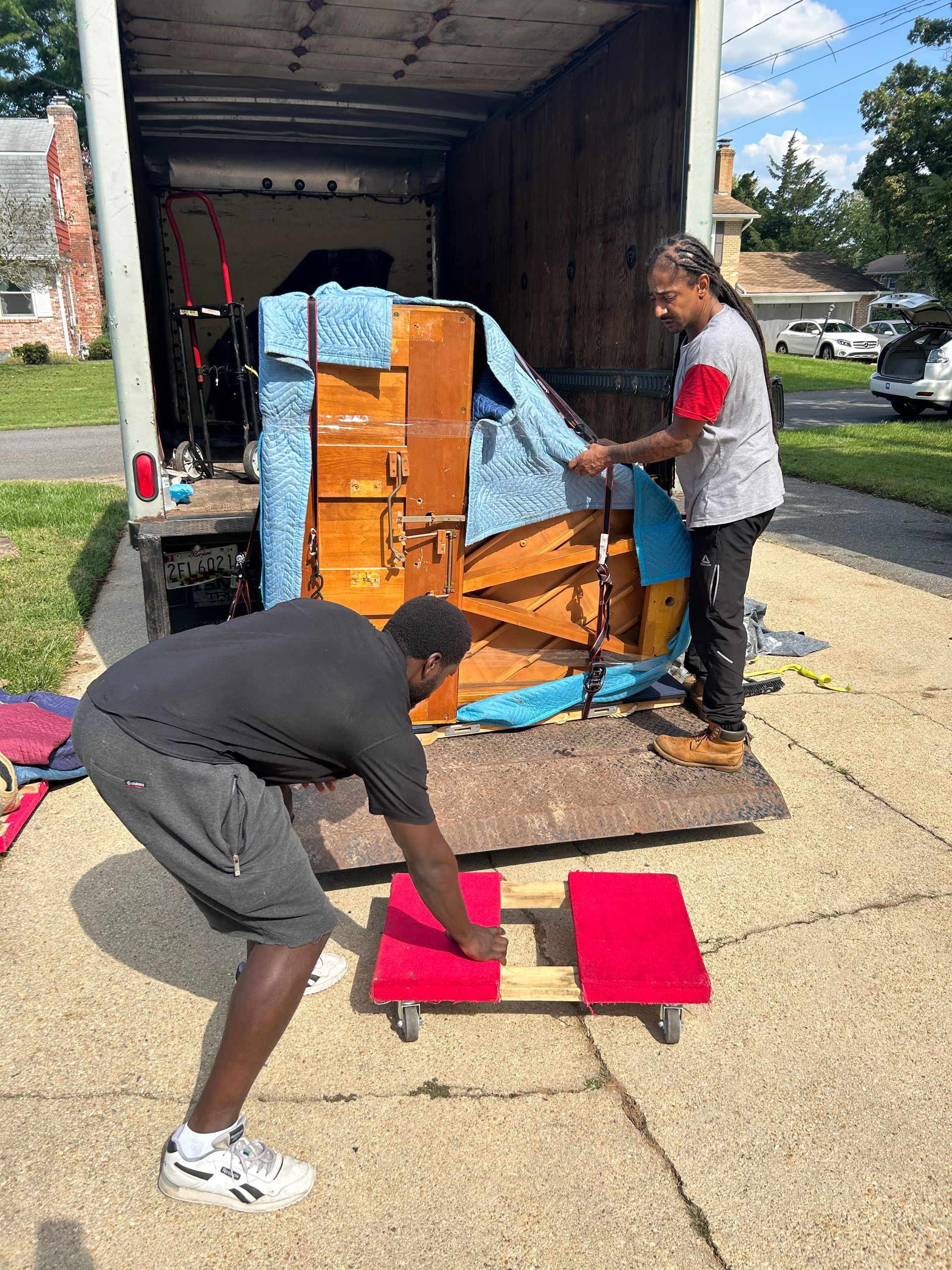
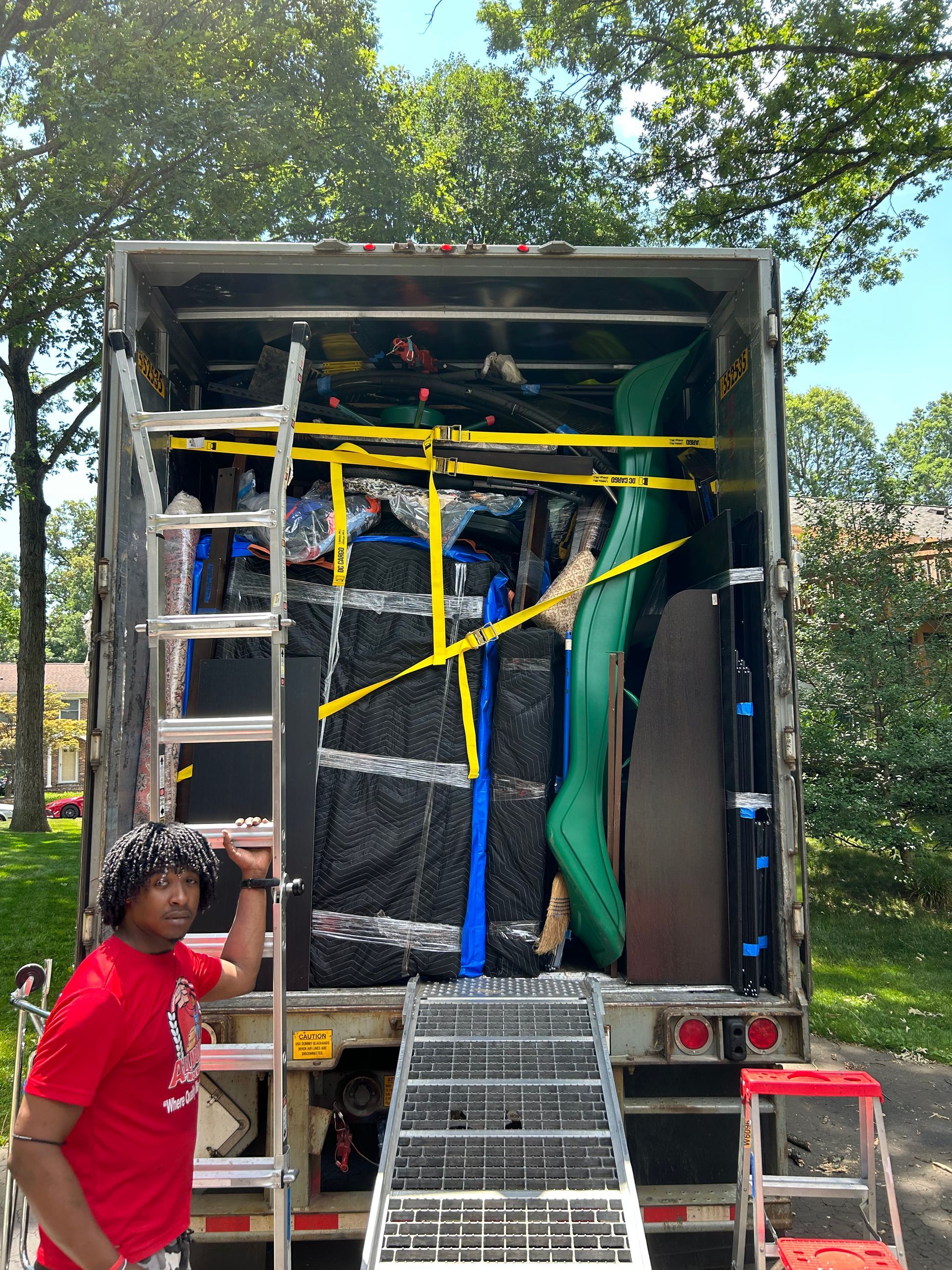
► Client Experience: My wife and I hired All Aboard Movers to help load up some heavy furniture out of our old home in Maryland and into a POD. Then hired them again to unload the contents in the POD into our new home in West Virginia. Tavon and Andre were the two fine gentlemen that helped us move the furniture in Maryland and they were extraordinary. When we hired AAM to unload the furniture in West Virginia, we didn't request Tavon and Andre because we thought that there would be local AAM employees that would do the job, but much to our surprise Tavon and Andre showed up in West Virginia. We were very happy to see them. AAM should be extremely grateful to have these two young men on their team. If anyone decides to hire AAM, request Tavon and Andre.
This hands-on, personalized approach not only keeps your assets protected, but also delivers results that your employees will feel right away.
The Truth About Results: What a Professional Move Delivers
Some business leaders imagine that even with a professional team, they’ll need to devote extra days for setup or expect setbacks in productivity. The reality is, when you choose movers with office transition expertise, the outcome is usually a far-smoother progression than going it alone. You should expect your movers to:
- Arrive on time with a clear, actionable plan for every department.
- Unpack, place, and, if needed, assemble furniture, equipment, and electronics in your new workspace.
- Tidy up thoroughly, so your team can get to work right away without being stalled by debris or missing items.
Experienced movers also check back in after completion to ensure satisfaction and assist with any adjustments, showing continued commitment to your business’s success.
Frequently Asked Questions
How far in advance should a business schedule an office move?
Office moves ideally begin planning 6-8 weeks ahead, especially for medium to large businesses. This allows time for walkthroughs, scheduling, and coordination with your team and the building manager.
What preparations can speed up the transition?
Have each department box and label personal or nonessential items, disconnect electronics as needed, and plan for IT to be part of the setup phase. The more tasks ready before moving day, the smoother the transition.
Are there ways to minimize work interruptions?
Look for movers who offer after-hours or weekend moves and can handle key installations. Strong movers will provide real-time updates and ensure crucial areas like conference rooms and reception spaces are operational first.
Move Your Business Forward with Confidence
Partnering with a moving company that specializes in office transitions means your business can stay focused—before, during, and after the move. With thorough planning, flexible solutions, and attention to detail, All Aboard Moverz brings peace of mind to every business owner embarking on a commercial move. Reach out today to discuss your next office relocation and set your team up for a successful, predictable transition.
Share This Blog